July 20, 2026
Maintaining optimal dental health requires proactive care and informed decisions from patients. While individuals prefer keeping natural teeth, situations arise where removal becomes a mandatory step to preserve overall well-being. A compromised tooth threatens surrounding tissues and jeopardizes the underlying bone structure. Dental professionals evaluate these complex scenarios with precision to determine the ideal course of action for long-term stability. Extraction represents a necessary intervention to halt deterioration and restore equilibrium.
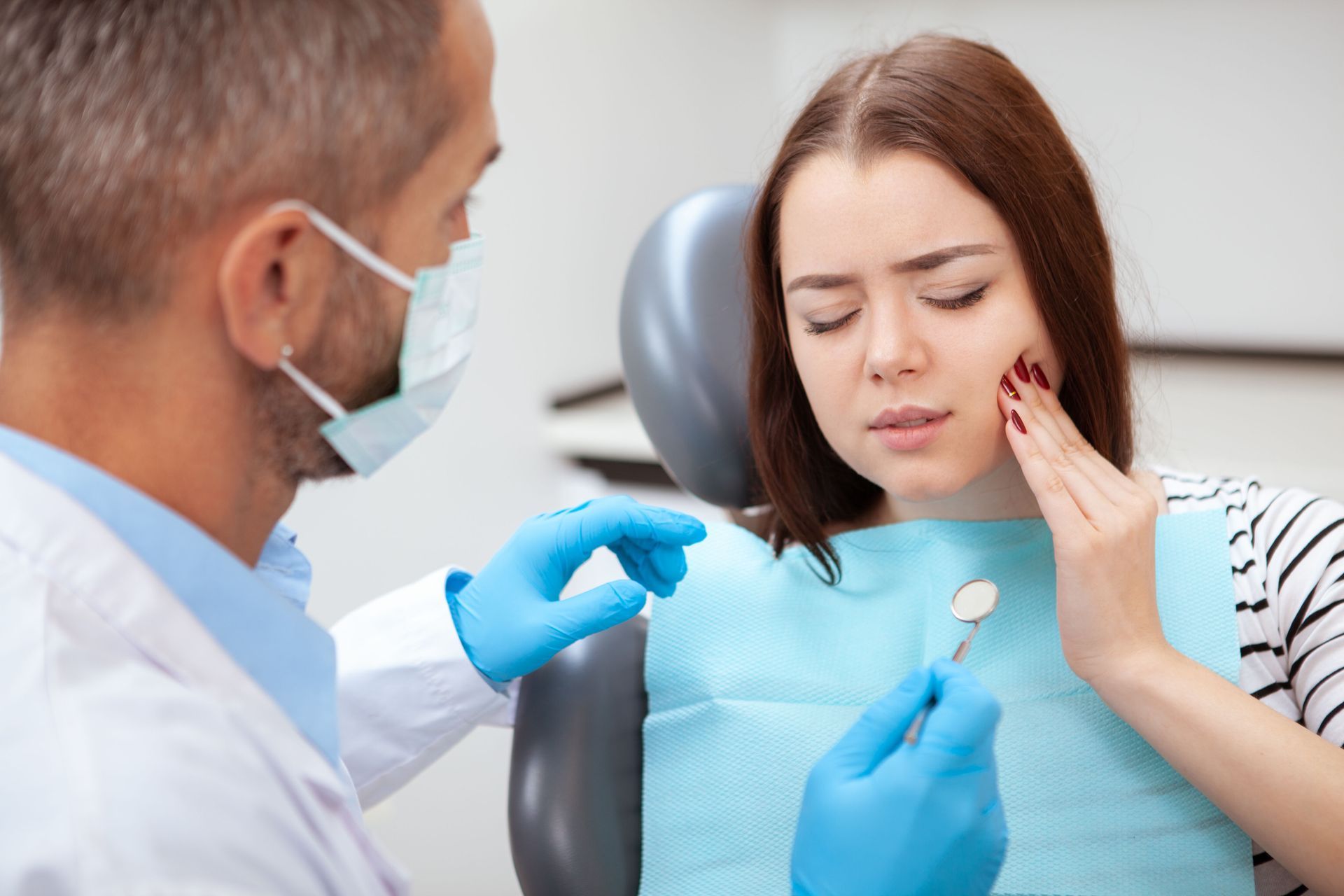
People fear dental removal procedures due to persistent misconceptions about pain and the subsequent recovery phase. Modern clinical techniques ensure patient comfort and promote rapid healing without unnecessary complications. A thorough consultation with a local dentist provides absolute clarity regarding the benefits of this procedure. Removing a decayed or damaged structure halts the progression of oral disease. This decisive action safeguards the entire mouth from future infections.
Preventing the Spread of Severe Dental Infection
Bacterial infections originate in a damaged pulp cavity and migrate toward the delicate tooth root. Without medical intervention, these pathogens invade the jawbone and create painful abscesses in the surrounding tissue. The resulting inflammation causes immense discomfort and irreversible tissue destruction. Extraction eliminates the main source of the infection and stops the bacterial advance. Eradicating the decayed matter restores a pristine environment within the oral cavity.
A local dentist examines the infected area using advanced diagnostic tools and imaging technology. This comprehensive evaluation identifies the extent of tissue damage and potential bone loss. If root canal therapy proves insufficient, removal remains the most viable solution to protect the patient. Extracting the compromised structure protects adjacent teeth from similar bacterial invasions. Prompt action minimizes the risk of widespread decay across the entire dental arch.
Ignoring an infected tooth leads to severe swelling and debilitating chronic pain for the individual. The untreated infection seeps into the bloodstream and compromises the systemic health of the patient. Removal functions as a definitive measure to break this vicious cycle of disease and discomfort. Healing begins the exact moment the source of infection leaves the mouth. Tissues regenerate, and the immune system recovers without the constant burden of fighting bacteria.
Post-extraction care involves keeping the extraction site clean to promote healthy clot formation. Patients receive specific instructions to ensure smooth healing and prevent painful conditions like dry socket. Following these strict guidelines guarantees a complication-free recovery period for the individual. The absence of the infected tooth allows the gingival tissues to heal and close the space. Total recovery restores basic function and comfort to the affected area.
Preserving the Alignment of Healthy Remaining Teeth
Overcrowding occurs when the jaw lacks sufficient space to accommodate every developing tooth. This spatial restriction forces teeth to shift into improper positions and awkward angles. Misalignment creates hidden crevices where plaque accumulates and hardens into destructive tartar. Crooked teeth present significant challenges for basic hygiene practices like routine brushing and flossing. Surgical removal creates the necessary room for proper alignment and simpler maintenance.
Impacted wisdom teeth represent a common cause of severe dental crowding in young adults. These rear molars remain trapped beneath the gum line and exert massive pressure on neighboring structures. The constant pushing forces the entire dental arch out of its natural alignment. Removing these hidden threats prevents the destruction of previous orthodontic work. Individuals avoid a lifetime of bite issues by addressing this spatial conflict with surgical precision.
Consulting a local dentist helps patients understand the trajectory of erupting molars. Diagnostic imaging reveals the exact angle and position of impacted teeth hidden beneath the gums. Early identification allows proactive removal before the pressure causes irreversible shifting of the front teeth. Addressing the problem at an early stage simplifies the surgical process and reduces patient anxiety. Proactive extraction maintains the straightness and basic function of the smile.
Proper spacing facilitates effective cleaning and reduces the likelihood of periodontal disease in patients. Straight teeth experience less wear and tear during normal mastication. The jaw muscles relax when the bite aligns correctly, reducing facial tension and associated headaches. Extraction serves as a fundamental step in achieving a functional and harmonious bite. An aligned smile contributes to improved digestion and speech clarity for the individual.
Preparing the Mouth for Future Restorative Procedures
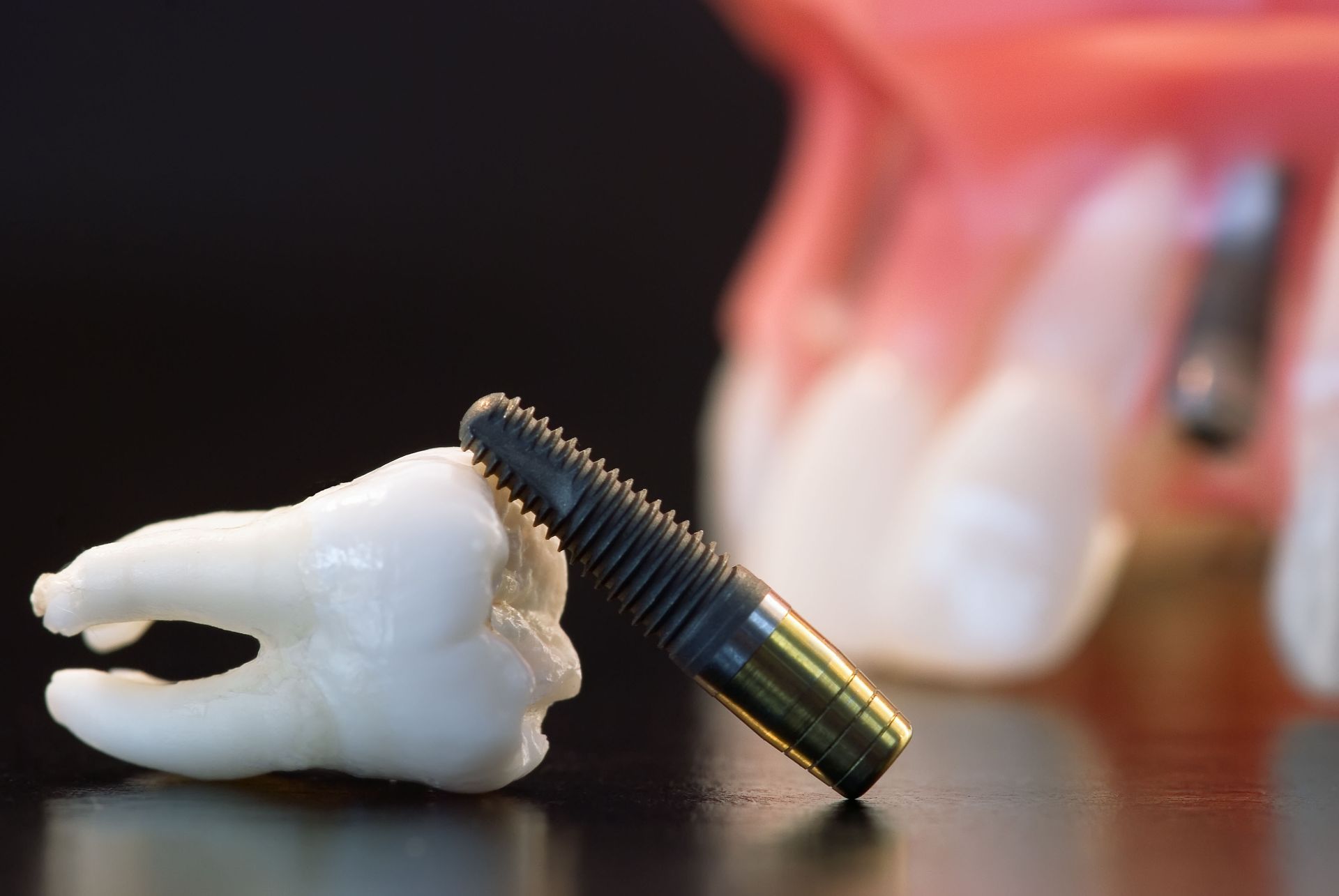
A local dentist evaluates patients for restorative devices like partial dentures or titanium implants. A successful restoration requires a solid and healthy foundation within the upper or lower jaw. Damaged or decayed teeth hinder the secure placement of these functional replacements. Extraction clears the path for advanced prosthetics and modern structural supports. Creating a clean slate ensures the long-term success of the comprehensive restorative treatment plan.
Dental implants demand adequate bone density and a disease-free environment for successful osseointegration. Retaining a failing tooth compromises the surrounding bone tissue and delicate soft tissue. Removing the problematic structure allows the bone to heal and prepare for the artificial titanium post. The surgical site must be free of pathogens before implant surgery begins. Extraction is a mandatory prerequisite for these permanent dental solutions to function as intended.
Patients requiring partial or complete dentures benefit from the strategic removal of irregular teeth. Lingering natural teeth interfere with the secure fit of the rigid acrylic base. A smooth and even gum line provides the ideal surface for comfortable denture seating. Extraction shapes the oral landscape to accommodate the new prosthetic appliance. Proper fit prevents sore spots and enhances the daily chewing capabilities of the patient.
Orthodontic treatments like metal braces demand precise space requirements for optimal structural results. Orthodontists recommend strategic extraction to correct severe protrusion or complex crowding issues. The surgical removal of specific premolars allows the remaining teeth to retract into ideal positions. This planned extraction represents a calculated move to achieve distinct facial symmetry. The final result is a balanced profile and an arranged set of teeth.
Protecting the Body From Systemic Health Complications
Oral health shares a deep connection with the overall health of the entire human body. Pathogens from oral infections travel through the circulatory system to affect vital organs. Chronic dental inflammation contributes to cardiovascular disease and complex respiratory ailments. Eliminating a diseased tooth reduces the bacterial load placed on the human immune system. Extraction acts as a distinct protective measure for systemic well-being and general vitality.
Routine examinations with a local dentist involve screening for abnormal cellular changes in the mouth. According to the World Health Organization, oral cancer is the 13th most common cancer globally. Identifying precancerous lesions or tumors requires a clear view of all internal oral tissues. Removing a decayed tooth grants better visual access for thorough tissue evaluations. Early detection of malignant growths improves survival rates for afflicted patients.
Individuals with compromised immune systems face heightened risks from localized dental abscesses. Patients undergoing intense chemotherapy or organ transplantation require a sterile oral environment to survive the medical process. Any lingering infection poses a fatal threat to these vulnerable medical populations. Extraction eliminates potential sources of sepsis and guarantees a safer medical treatment path. Preventive removal is a standard protocol in comprehensive medical care planning for susceptible individuals.
Periodontal disease surrounding a failing tooth increases blood sugar levels in diabetic individuals. The inflammatory response hampers insulin efficiency and complicates routine diabetes management. Extracting the offending tooth reduces gingival inflammation and stabilizes vital metabolic functions. This surgical intervention illustrates the profound impact of dental procedures on chronic disease control. Oral hygiene practices become effective after the total removal of the compromised tooth.
Dental extraction transcends the simple act of pulling a damaged tooth out of the jaw. It represents a strategic intervention designed to safeguard the entire oral ecosystem. Patients seeking a healthier mouth find success through proactive disease management and targeted tooth removal. A detailed conversation with a local dentist reveals the long-term advantages of this essential procedure. Embracing this treatment prevents future pain and costly surgical interventions.
Preserving a beautiful smile demands the sacrifice of a failing structural component. The surgical removal process clears stubborn infection, creates essential spatial room, and prepares the jaw for eventual restoration. Individuals maintain their oral health by prioritizing the removal of harmful structures. The path to a pain-free life begins with decisive dental care choices. A healthy mouth contributes to a vibrant and energetic life for every patient. If you are experiencing discomfort and need guidance on your oral health, we at Smile Solutions are ready to help. Schedule a consultation with your local dentist today so we can protect your smile together.