August 14, 2026
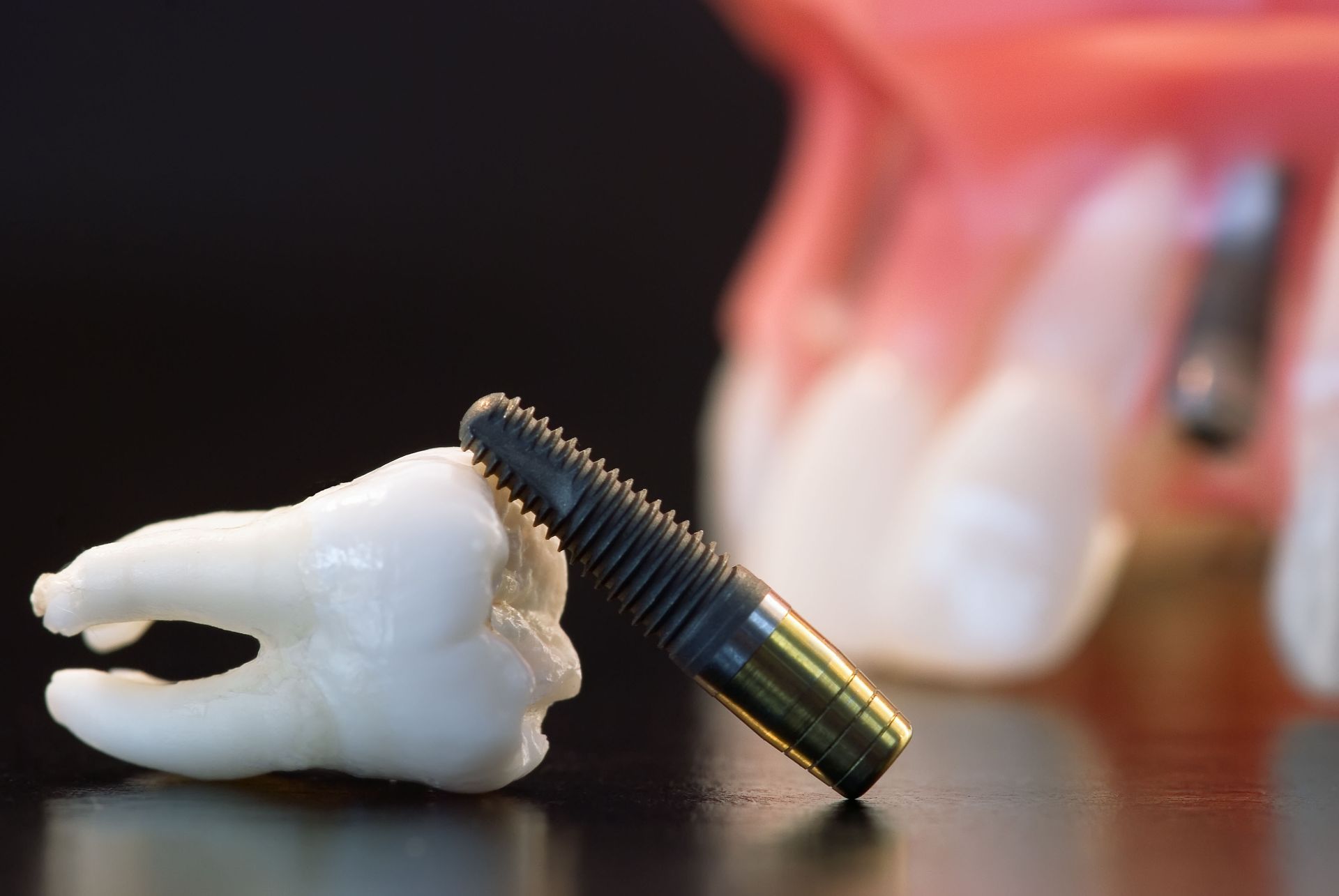
Missing teeth can affect much more than appearance. They may change the way you chew, speak, and feel about smiling in social or professional settings. Over time, an untreated gap can also influence neighboring teeth and the bone that once supported the missing tooth. Dental implants offer a long-term replacement option designed to look, feel, and function more like natural teeth. Because they are anchored into the jawbone, they can provide a level of stability that removable appliances may not always match.
Choosing dental implants is a significant decision, so it helps to understand the advantages they may provide over many years. The process usually involves evaluation, treatment planning, implant placement, healing, and restoration with a crown, bridge, or denture. The exact timeline depends on oral health, bone quality, the number of teeth being replaced, and other individual factors. A consultation at a local dental office can help determine whether implants are appropriate and what type of treatment plan may best support your goals throughout the process.
Restoring Natural-Looking Appearance
One of the most noticeable benefits of dental implants is their ability to restore the appearance of a complete smile. An implant-supported crown can be shaped and shaded to blend with surrounding teeth, helping the replacement look natural rather than obvious. Because the restoration emerges from the gumline in a way that resembles a natural tooth, it can create a more seamless result than some removable options. This may be especially valuable when replacing a tooth in a visible area of the smile.
Appearance is not only about the tooth itself. Missing teeth can sometimes affect lip support and facial balance, particularly when several teeth are absent. Implant-supported restorations may help preserve a fuller, more balanced look by maintaining support in the jaw and surrounding tissues. A local dental office can evaluate tooth position, gum contours, bite alignment, and smile proportions before recommending a customized restoration. Careful planning helps the final result complement the rest of the mouth.
Preserving Jawbone Strength
Natural tooth roots stimulate the jawbone during biting and chewing. When a tooth is lost, that stimulation decreases, and the bone in the area may gradually shrink. Dental implants are designed to replace the root portion of a tooth, allowing chewing forces to transfer into the jaw. This stimulation may help preserve bone volume and maintain the structure that supports the face and neighboring teeth.
Bone preservation can be especially important when a person expects to live with a tooth replacement for many years. Significant bone loss may affect future treatment options and can make later procedures more complex. During an evaluation, a local dental office may use imaging to assess bone height, width, and density. If there is not enough bone to support an implant initially, grafting or another preparatory procedure may be recommended before placement.
Improving Chewing Stability
Dental implants can provide strong support for biting and chewing because they are fixed in the jaw rather than resting only on the gums. This stability may make it easier to eat a wider variety of foods and chew with greater confidence. Unlike removable dentures that may shift during meals, an implant-supported restoration is designed to remain secure. This can reduce concerns about movement, slipping, or food becoming trapped beneath an appliance.
Improved chewing may also support better food choices. When missing teeth or unstable dentures make eating difficult, some people avoid nutritious foods that require more chewing, such as raw vegetables, fruits, or certain proteins. A local dental office can evaluate bite forces and position the implant to support comfortable function. The final restoration should be adjusted carefully so that pressure is distributed appropriately across the bite.
Supporting Clearer Speech
Teeth play an important role in speech by helping the tongue and lips form specific sounds. Missing teeth can create spaces that change airflow or make certain words more difficult to pronounce. Removable appliances may also affect speech if they shift or feel bulky. Dental implants can support restorations that remain stable while speaking, allowing the tongue and lips to adapt to a more consistent surface.
Speech improvements may occur gradually as the mouth adjusts to the new restoration. The design, placement, and contours of the replacement teeth all influence comfort and pronunciation. A local dental office can check whether the restoration interferes with tongue movement or changes the way the upper and lower teeth meet. Small adjustments may improve both speech and overall comfort after treatment.
Protecting Neighboring Teeth
Replacing a missing tooth can help prevent nearby teeth from drifting into the open space. When teeth shift, they may create bite problems, crowding, or areas that are harder to clean. Dental implants fill the gap without relying on adjacent teeth for primary support. In contrast, a traditional tooth-supported bridge may require the neighboring teeth to be reshaped so they can hold crowns.
Preserving natural tooth structure can be an important long-term advantage, especially when the teeth next to the gap are healthy. An implant may allow those teeth to remain largely untouched while still restoring the missing area. A local dental office can compare the condition of the neighboring teeth and explain whether an implant, bridge, or another option is likely to provide the best balance of function and conservation.
Providing Lasting Durability
Dental implants are known for their potential longevity when they are well planned, properly placed, and maintained with consistent oral care. According to Science Daily, a recent study found that single-tooth dental implants can remain fully functional for nearly 40 years. While no restoration can be guaranteed to last a specific amount of time, this finding illustrates why implants are often considered a durable option for replacing missing teeth.
Long-term success depends on several factors, including gum health, bone support, bite forces, smoking status, medical conditions, and daily hygiene. The implant itself may remain stable for many years, although the visible crown may eventually need repair or replacement because of normal wear. A local dental office can monitor the implant during routine visits, evaluate the surrounding tissues, and address small concerns before they become larger problems.
Simplifying Everyday Maintenance
Implant-supported teeth are generally cared for in ways that are similar to natural teeth. Daily brushing, cleaning between teeth, and regular professional care remain essential. Unlike removable dentures, a single implant crown does not need to be taken out for soaking or secured with adhesive. This can make the restoration feel like a more natural part of the daily routine.
Although implant care is straightforward, it should not be treated casually. Plaque can collect around an implant and irritate the gums, potentially threatening the tissues that support it. A dental team can demonstrate appropriate brushing and flossing techniques and may recommend special tools for cleaning around implant-supported bridges or dentures. Consistent maintenance helps protect both the implant and the remaining natural teeth.
Dental implants can provide meaningful long-term advantages by restoring appearance, preserving jawbone, improving chewing stability, supporting clearer speech, protecting neighboring teeth, offering durable performance, and simplifying daily maintenance. The best results begin with a careful evaluation and a treatment plan tailored to your oral health, goals, and lifestyle at a local dental office. While implants require an investment of time and resources, their stability and longevity can make them a valuable option for many people with missing teeth. To learn whether dental implants may be right for you and begin planning a healthier, more confident smile, contact Smile Solutions today.