May 19, 2026
Maintaining a healthy smile requires more than occasional brushing or reacting to discomfort after it begins. Tooth decay develops gradually, often without noticeable symptoms in its earliest stages, which makes prevention essential for long-term oral health. Consistent habits, informed decision-making, and professional guidance all play a role in protecting teeth from damage and preserving both function and appearance. The following methods reflect what dentists routinely recommend to help individuals maintain strong, healthy teeth throughout their lives.
1. Understanding Daily Oral Hygiene Practices
The Importance of Proper Brushing Technique
Effective brushing is the foundation of any prevention strategy. While many people brush their teeth daily, technique often determines whether plaque is removed thoroughly or allowed to accumulate along the gumline and between teeth. Dental experts commonly advise to use a soft-bristle toothbrush and holding it at a slight angle to reach areas where bacteria tend to collect.
Consistency is equally important. Brushing at least twice a day ensures that food particles and plaque do not remain on the teeth long enough to contribute to decay. Timing also matters, especially after meals, when acids produced by bacteria are most active.
Beyond technique and frequency, replacing a toothbrush regularly plays a role in maintaining effectiveness. Worn bristles lose their ability to clean efficiently, which can leave areas vulnerable to buildup. Professional dentists often recommend replacing toothbrushes every three to four months or sooner if the bristles show signs of fraying.
The Role of Flossing in Preventing Decay
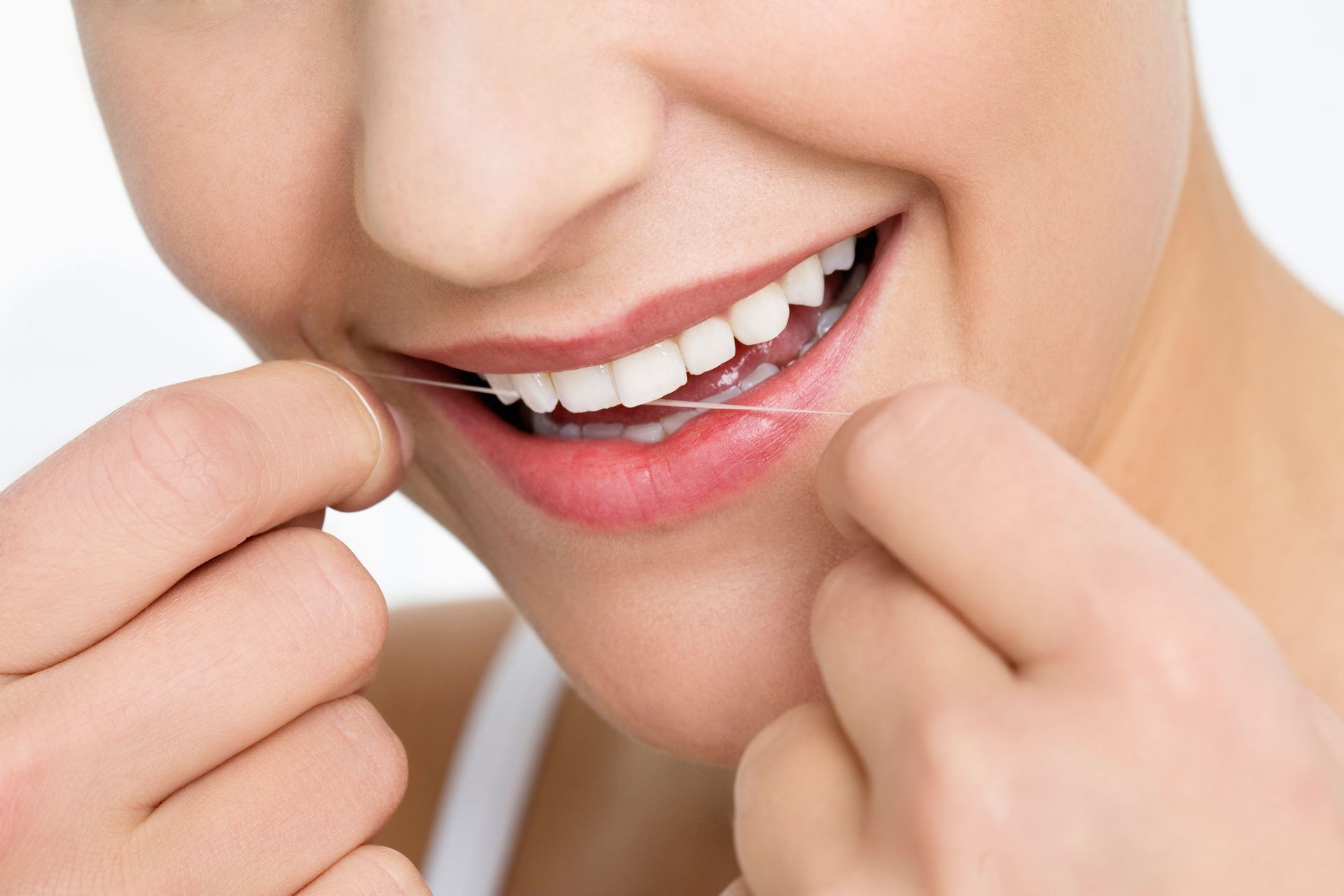
Brushing alone cannot reach every surface of the teeth. Flossing addresses this limitation by removing debris and plaque from between teeth and below the gumline. These areas are particularly susceptible to decay because they are difficult to clean with a toothbrush alone.
Proper flossing technique involves gently guiding the floss between teeth and curving it around each tooth to clean beneath the gumline. Rushing through this step or applying excessive force can reduce its effectiveness or cause discomfort. With practice, flossing becomes a quick and essential part of daily oral care.
Incorporating flossing into a routine not only prevents cavities but also supports gum health. Healthy gums provide a strong foundation for teeth, and reducing inflammation in these tissues helps prevent more serious oral health issues over time.
Choosing the Right Oral Care Products
The selection of oral care products can influence the effectiveness of daily hygiene practices. Fluoride toothpaste, for example, strengthens enamel and helps reverse early stages of decay. Dental professionals often recommend products that have been evaluated for safety and efficacy, as these formulations are designed to provide consistent results.
Mouthwash can serve as an additional layer of protection by reducing bacteria and reaching areas that brushing and flossing may miss. However, it should complement, not replace, mechanical cleaning methods.
Personal preferences also play a role in maintaining consistency. Choosing products with flavors and textures that encourage regular use can make it easier to stick with daily habits. Expert dentists recognize that long-term adherence is more important than any single product.
2. Maintaining a Tooth-Friendly Diet
How Sugar and Acids Contribute to Decay
Diet has a direct impact on oral health, particularly when it comes to sugar and acid consumption. Bacteria in the mouth feed on sugars and produce acids that erode enamel, creating an environment where cavities can form. Frequent snacking or consuming sugary beverages throughout the day prolongs this process, increasing the likelihood of decay.
Dental experts frequently educate patients about the cumulative effects of these dietary habits. It is not only the amount of sugar consumed but also the frequency of exposure that matters. Allowing time between meals for saliva to neutralize acids helps protect teeth and supports natural remineralization processes.
Acidic foods and drinks can also weaken enamel directly. Beverages such as soda and citrus juices can lower the pH level in the mouth, making teeth more susceptible to damage. Being mindful of these factors can help individuals make informed dietary choices that support oral health.
Foods That Support Strong Teeth
While certain foods contribute to decay, others actively support dental health. Calcium-rich foods, such as dairy products, help strengthen enamel and maintain bone density. Crunchy fruits and vegetables stimulate saliva production, which aids in neutralizing acids and washing away debris.
Professional dentists often recommend incorporating a variety of nutrient-dense foods into daily meals. These choices not only benefit oral health but also contribute to overall well-being. Balanced nutrition provides the building blocks necessary for maintaining strong teeth and healthy gums.
Hydration also plays a role in preventing decay. Drinking water throughout the day helps rinse away food particles and bacteria, reducing the likelihood of plaque formation. In many cases, water contains trace minerals that further support enamel strength.
Moderation and Timing of Meals
Managing when and how often food is consumed can influence the risk of decay. Frequent snacking limits the mouth's ability to recover between exposures to sugars and acids. Dental professionals often recommend reducing snacks and focusing on structured meals to give saliva time to restore a neutral environment.
When snacking is necessary, choosing tooth-friendly options can make a difference. Foods that are low in sugar and less likely to stick to teeth reduce the potential for prolonged bacterial activity. Pairing snacks with water can further minimize their impact.
Timing also extends to oral hygiene practices. Brushing after meals, when appropriate, helps remove residues before they contribute to plaque formation. By aligning dietary habits with effective cleaning routines, individuals can create a comprehensive approach to prevention.
3. Scheduling Regular Dental Checkups and Preventive Care
Early Detection and Professional Cleanings
Routine dental visits are a critical component of preventing tooth decay. Professional cleanings remove plaque and tartar that cannot be addressed through daily brushing and flossing alone. Dentists use specialized tools to clean hard-to-reach areas, reducing the risk of cavities developing over time.
Early detection is another key benefit of regular checkups. Dental visits can identify signs of decay before they progress into more serious issues, allowing for timely intervention. This proactive approach often results in less invasive treatments and better long-term outcomes.
Preventive care extends beyond cleaning and examination. A dental professional may recommend additional measures based on individual risk factors, ensuring that each patient receives care tailored to their specific needs.
The Value of Preventive Treatments
Common preventive treatments provide an added layer of protection against decay. Fluoride applications, for instance, help strengthen enamel and make teeth more resistant to acid attacks. Sealants can be applied to the chewing surfaces of molars, creating a barrier that prevents bacteria from settling in grooves and crevices.
Dentists evaluate each patient's oral health to determine which treatments are most appropriate. Factors such as age, dietary habits, and existing dental conditions influence these recommendations. By addressing vulnerabilities early, preventive treatments reduce the likelihood of more extensive procedures in the future.
Education is also a central component of preventive care. Dentists provide guidance on improving daily habits and addressing specific concerns, empowering patients to take an active role in maintaining their oral health.
Understanding the Prevalence of Decaying Teeth
Tooth decay remains one of the most common oral health concerns, affecting individuals across all age groups. According to research from the National Institutes of Health, nearly 90% of adults between the ages of 20 and 64 have experienced tooth decay at some point in their lives. This statistic highlights the widespread nature of the issue and underscores the importance of consistent preventive measures.
Experienced dentists use this information to emphasize the need for vigilance in oral care routines. Even individuals who maintain good habits can be at risk if preventive strategies are not comprehensive. Regular checkups, combined with effective daily practices, help mitigate this risk and support long-term dental health.
Awareness of the prevalence of decay also reinforces the value of early intervention. Addressing minor issues before they progress can prevent discomfort, reduce treatment costs, and preserve natural tooth structure.
Preventing tooth decay requires a multifaceted approach that combines daily hygiene, thoughtful dietary choices, and consistent professional care. Each of these elements plays a distinct role in maintaining oral health, and their effectiveness increases when they are practiced together. By focusing on prevention, individuals can avoid many of the complications associated with untreated decay and enjoy a healthier, more confident smile. For more expert information on preventing tooth decay, reach out to Smile Solutions!