March 19, 2026
Oral health is a vital component of our overall well-being, yet it often goes overlooked in daily life. Regular dental visits are a cornerstone of preventative care, offering a powerful tool in combating oral diseases. According to the World Health Organization, oral diseases affect nearly 3.7 billion people worldwide, highlighting the global importance of oral health maintenance. In this article, we explore the critical role regular check-ups with a local dentist play in preventing oral diseases and promoting overall health. Understanding these connections can inspire individuals to prioritize dental visits as a key part of their health regimen.
Understanding Oral Disease
Common Oral Diseases
Oral disease is diverse and affects people globally, with cavities, gum disease, and oral cancer among the most prevalent. Cavities, or dental caries, are caused by bacterial activity that degrades the tooth enamel. Gum disease, or periodontal disease, is a result of bacterial infections affecting the gums and structures supporting teeth. Oral cancers, although less common, are serious and often linked to lifestyle factors such as tobacco use. Recognizing these diseases helps contextualize the necessity for regular dental evaluations and interventions.
Causes of Oral Diseases
There are several contributing factors to oral diseases, including poor oral hygiene, an unhealthy diet, and genetic dispositions. Inadequate brushing and flossing lead to plaque buildup, fostering bacterial growth responsible for dental caries and gum disease. High sugar diets provide food for these bacteria, exacerbating their harmful impact on oral health. In addition, genetic factors can predispose individuals to particular oral health issues, requiring personalized care approaches. Identifying causes supports the development of targeted prevention strategies during a visit to a local dentist.
The Impact of Oral Disease
Oral diseases can significantly affect overall health and diminish quality of life if left untreated. They can lead to difficulty in eating, speaking, and even cause chronic pain, impacting daily activities and social interactions. Moreover, poor oral health has been linked to serious systemic conditions like heart disease and diabetes, creating broader health implications. The physical and psychological burdens of untreated oral diseases underscore the importance of preventative dental care. Through routine dental visits, these negative impacts can be minimized, leading to improved long-term health outcomes.
Prevention and Maintenance
Preventive measures focused on maintaining good oral hygiene are essential in combating oral diseases. Regular brushing, flossing, and use of dental care products contribute to oral health preservation. Dental professionals provide invaluable advice about the latest products and techniques to enhance personal care routines. Furthermore, they offer preventative treatments such as fluoride applications and sealants to protect teeth from decay. Proactive participation in preventative care helps reduce the risk of developing severe oral health problems.
The Role of Regular Dental Check-Ups
Customizing Care
Dental professionals play a fundamental role in tailoring care to the unique needs of each patient. Personalized care begins with an assessment of an individual's oral health status and history. A local dentist can adjust treatment plans based on specific risk factors, ensuring patients receive the most appropriate preventive services. This customization helps manage hereditary issues or lifestyle factors that may predispose individuals to certain conditions. Ultimately, personalized care ensures comprehensive monitoring and maintenance of oral health.
Early Detection of Problems
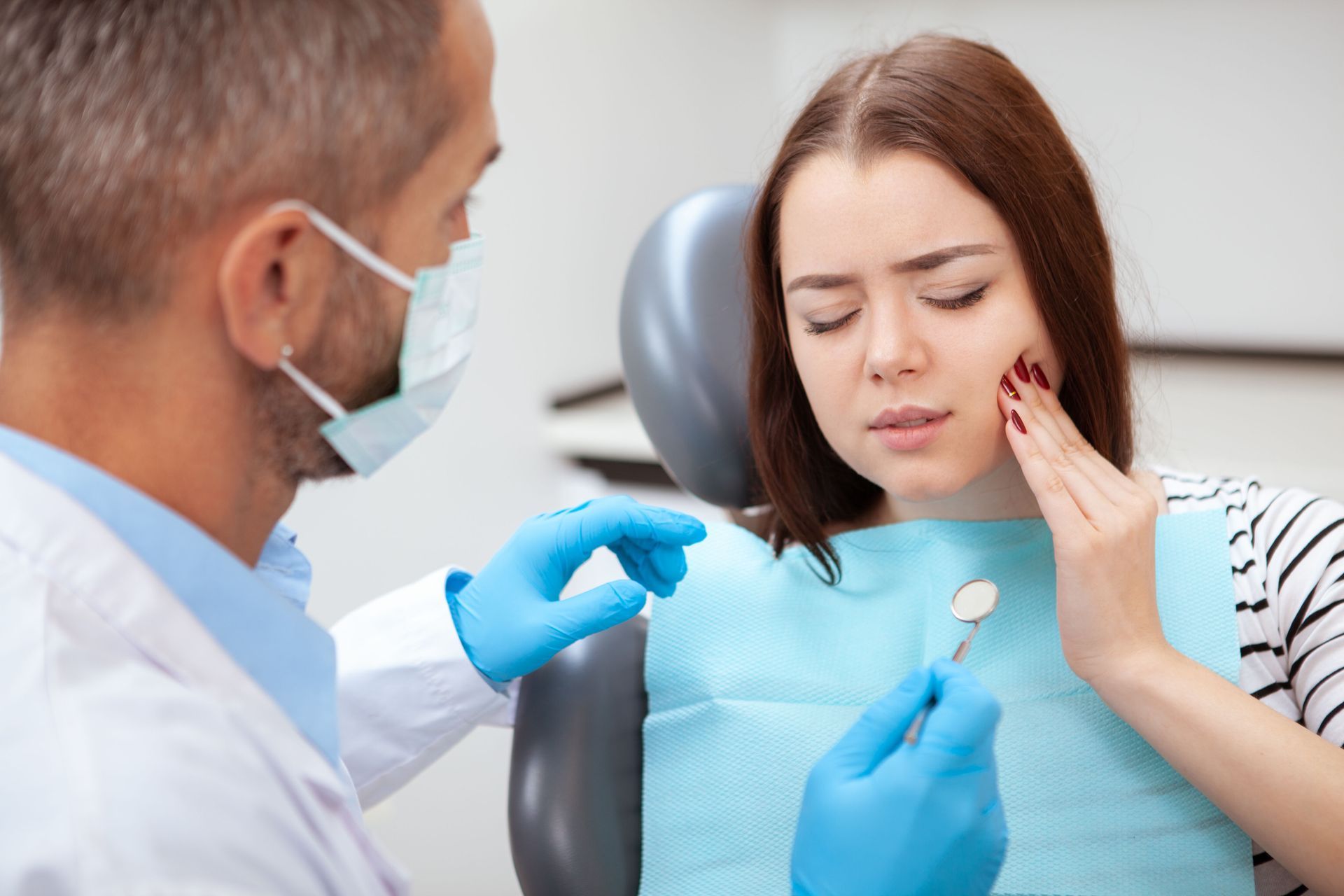
One of the primary benefits of regular dental check-ups is the early detection of potential oral issues. A qualified local dentist is trained to identify problems at their nascent stages, before they develop into serious conditions. Regular examinations can uncover hidden threats, allowing for early interventions that are typically less costly and less invasive. Timely detection can also prevent the spread of infections and reduce the need for complex treatments. Early intervention significantly contributes to the efficient management of oral health, minimizing long-term risks.
Professional Cleaning
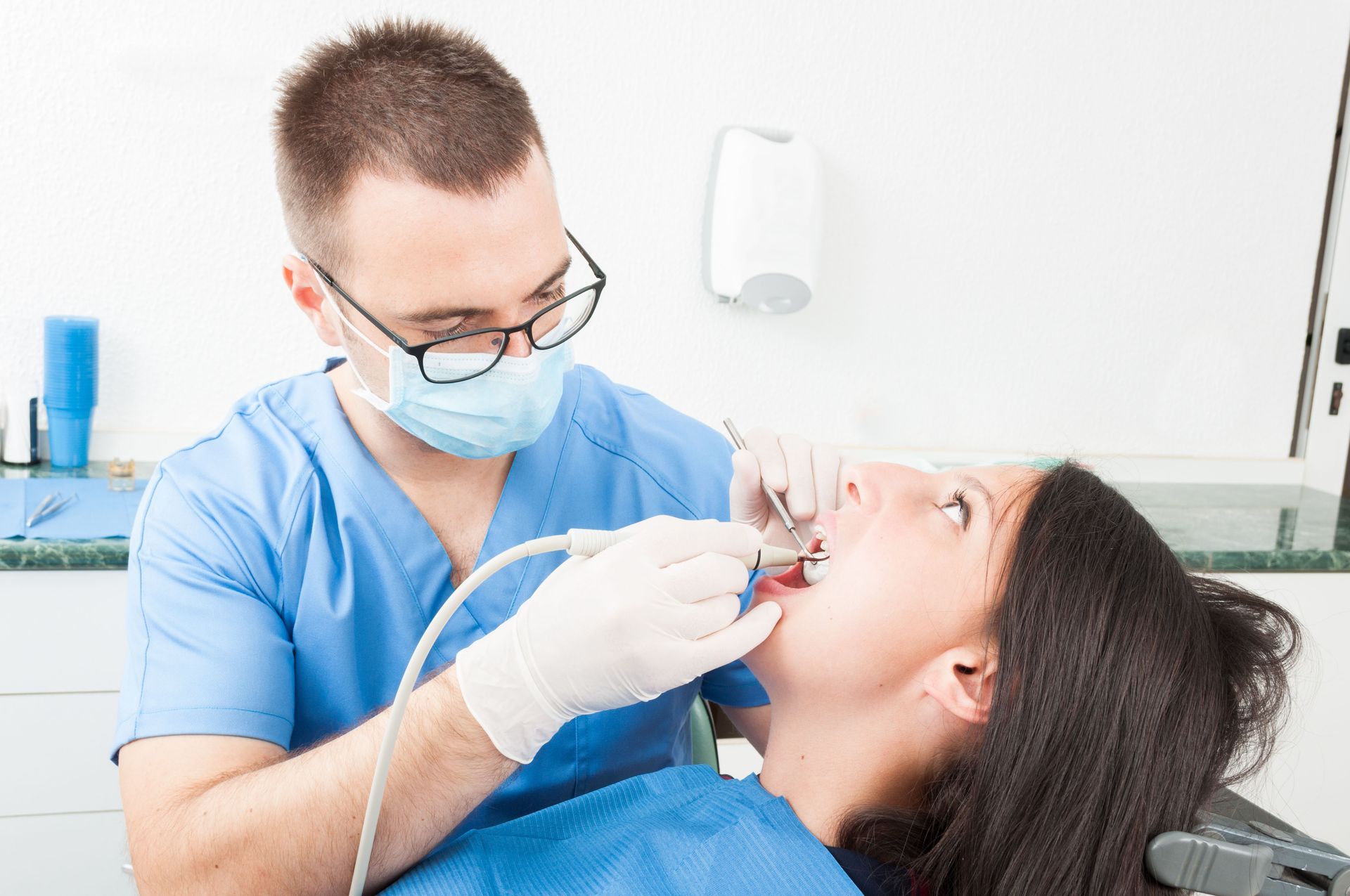
Professional dental cleanings provided during routine check-ups offer deep-cleaning services that home care cannot match. These cleanings involve the removal of plaque buildup that regular brushing and flossing might miss. Moreover, professional cleanings help prevent gingivitis, the early form of gum disease, ensuring healthier gums. They also effectively address stubborn stains, providing a brighter and cleaner appearance. Consistent professional cleanings complement home care routines and are crucial in maintaining optimal oral hygiene.
Education and Advice
Education is a cornerstone of preventative dental care, equipping patients with knowledge about sustainable oral health practices. An experienced local dentist can offer advice on best practices, including proper brushing and flossing techniques, and recommendations for suitable dental care products. They also provide guidance on dietary choices that promote oral health and combat decay. Through education, patients become empowered to take charge of their dental hygiene between visits. This ongoing partnership between patients and dental professionals fosters a proactive approach to oral care.
The Connection Between Oral Health and Overall Health
Systemic Diseases Linked to Oral Health
Research highlights significant connections between oral health and systemic diseases, including heart disease and diabetes. Bacterial infections originating in the mouth can access the bloodstream, contributing to broader health complications. Inflammation from gum disease has been linked to an increased risk of cardiovascular diseases. Oral health and systemic health are interdependent, with improvements in one area positively affecting the other. Understanding these links helps emphasize oral health's role within broader healthcare goals.
The Body's Inflammatory Response
Oral health significantly influences the body's inflammatory response, affecting overall health. Inflammation due to poor oral hygiene can have far-reaching consequences, potentially leading to chronic conditions. Periodontitis, for example, is an inflammatory disease impacting the tissues surrounding teeth, with implications for systemic inflammation. Proactively managing oral health can reduce chronic inflammation and mitigate associated health risks. Regular dental visits aid in controlling inflammation, essential for maintaining equilibrium in body systems.
Boosting Immune Health
Maintaining good oral health is crucial for a strong immune system, which defends the body against diseases. A healthy mouth reduces the bacterial load that the immune system must manage, preventing unnecessary strain. Proper oral care practices, including regular dental check-ups, support the body's natural defense mechanisms. Addressing infections and inflammation at their source helps maintain a balanced and effective immune response. Consequently, prioritizing oral health contributes to enhanced general well-being and resilience against illnesses.
Oral Health During Pregnancy
Maintaining oral health during pregnancy becomes particularly important for both maternal and fetal well-being. Hormonal changes during pregnancy can increase susceptibility to gum disease, which can affect pregnancy outcomes. Research indicates that poor maternal oral health is linked to premature birth and low birth weight. Routine dental care during pregnancy helps manage risks and ensure healthy outcomes for both mother and child. A local dentist can collaborate with maternity care providers to deliver integrated care that addresses the unique needs of pregnant women.
Regular dental visits are indispensable in maintaining oral and overall health, offering preventative care that mitigates the onset of severe oral diseases. They embody a proactive approach that supports early detection, personalized care, and education in oral health. Emphasizing preventative dental care contributes to improved systemic health, financial savings, and quality of life for countless individuals. The holistic benefits of regular check-ups drive home the importance of integrating oral health into general health routines. To support a healthier future, individuals are encouraged to prioritize regular dental visits and embrace the full spectrum of benefits they offer.
For a reliable local dentist that can help you prevent oral disease, contact Smile Solutions today.